Transitioning to a plant-based diet works best when it is approached with structure, understanding, and a clear sense of how it fits into everyday life. With the right foundation, it becomes a sustainable way of eating that supports both daily routine and long-term wellbeing.
This guide brings together the key areas to focus on so the transition is informed, balanced, and practical to maintain.
Establishing a Starting Point
A useful place to begin is by looking at current eating patterns and identifying where plant-based options can be introduced naturally.
Meals that are already familiar often provide the easiest entry point. Adjusting these meals by replacing specific ingredients allows for continuity while gradually shifting the overall composition of the diet.
For example:
- swapping dairy for plant-based alternatives
- using lentils, beans, or tofu in place of meat
- building meals around vegetables, grains, and legumes
This approach creates a steady transition that integrates into existing habits rather than requiring a complete reset.
Building Nutritional Understanding
A plant-based diet brings a different nutritional profile, and understanding how to meet the body’s needs becomes an important part of maintaining energy, focus, and overall health.
Key nutrients to actively include:
Protein
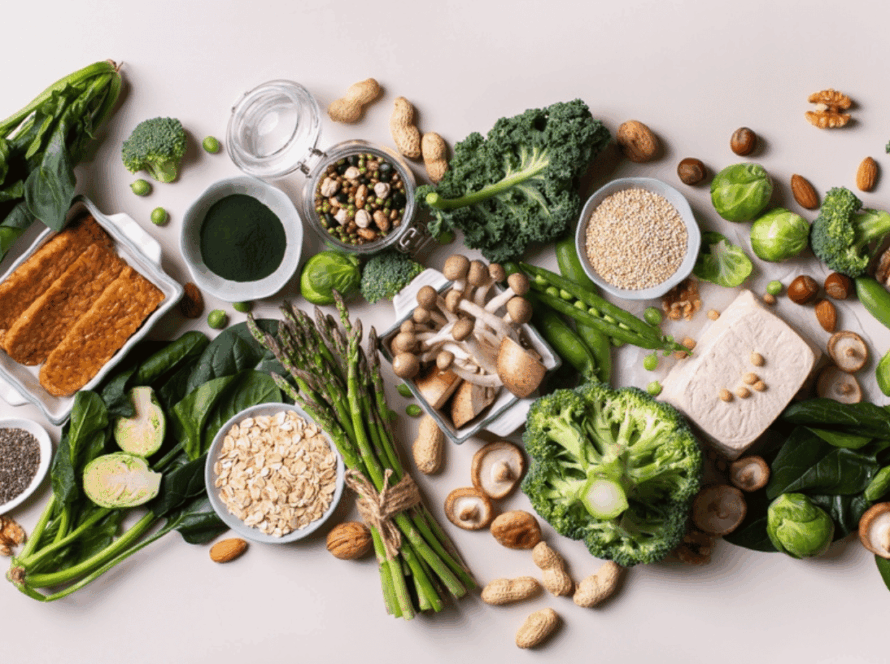
Sourced from legumes, tofu, tempeh, whole grains, nuts, and seeds. Combining different sources across the day supports overall intake.
Iron
Found in lentils, chickpeas, beans, tofu, spinach, and whole grains. Including vitamin C-rich foods alongside these helps absorption.
Vitamin B12
Typically supported through supplementation or fortified foods.
Omega-3 fatty acids
Available through flaxseeds, chia seeds, walnuts, and algae-based supplements.
Developing a working understanding of these nutrients allows meals to be planned with intention and balance.
Structuring Meals for Daily Life
Meals become easier to manage when there is a clear structure to build from.
A simple and effective approach includes:
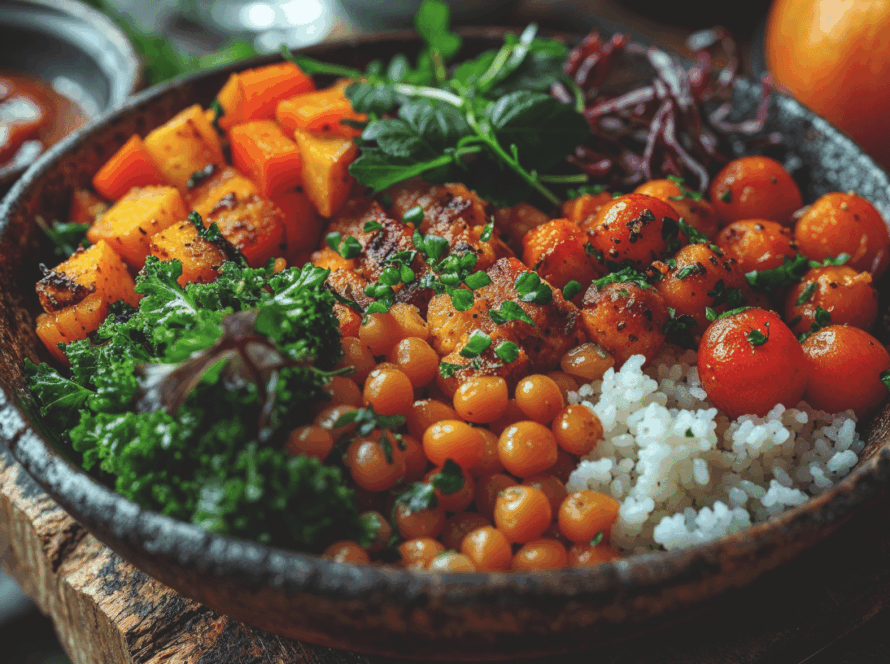
- a carbohydrate base (rice, quinoa, oats, potatoes)
- a protein source (lentils, beans, tofu, tempeh)
- a range of vegetables
- a source of fats (olive oil, avocado, seeds, nuts)
This format supports variety while keeping meal preparation straightforward. It also allows flexibility across different cuisines and preferences.
Repeating a core set of meals during the week can reduce decision fatigue and create consistency.
Food Selection and Kitchen Setup
Having a well-stocked kitchen supports consistency and reduces reliance on convenience foods.
Core items to keep available:
- legumes (dried or canned)
- whole grains (rice, oats, pasta, quinoa)
- a variety of vegetables (fresh and frozen)
- plant-based milks and yoghurts
- nuts, seeds, and oils
Preparation plays a key role. Cooking staples in advance, preparing ingredients in batches, and organising meals for the week creates a smoother day-to-day experience.
Adapting to Real-Life Situations
Eating patterns extend beyond the home environment, and it helps to have a practical approach for different situations.
When eating out:
- review menus in advance where possible
- choose meals that can be easily adapted
- request simple substitutions where needed
In social settings:
- bringing a dish
- choosing flexible options
- maintaining a relaxed approach
These strategies support consistency while allowing for ease in different environments.
Working Through Common Adjustments
As eating patterns shift, there are a few areas that often require attention:
Meal satisfaction
Ensuring meals include enough protein and fats supports fullness and energy levels.
Time and preparation
Establishing a routine around shopping and meal preparation reduces effort during the week.
Food familiarity
Recreating familiar meals in a plant-based format helps maintain enjoyment and variety.
These adjustments tend to settle as new habits become established.
Establishing a Sustainable Routine
Consistency develops through repetition and organisation.
Identifying meals that work well, maintaining key ingredients, and building a weekly rhythm around food preparation allows plant-based eating to become a natural part of daily life.
Over time, this creates a structured approach that supports both flexibility and reliability.
A plant-based diet can be introduced in a way that is both practical and well-supported. With an understanding of nutrition, a clear approach to meals, and a manageable routine, it becomes a sustainable way of eating that integrates easily into everyday life.