Skip to content Skip to sidebar Skip to footer

Plant-Based Protein: A Complete Guide to Getting What You Need

A Simple Starting Point

Protein is often one of the first things people think about when exploring a plant-based way of eating. It plays an essential role in how the body functions, and understanding it clearly brings a sense of ease and confidence to your choices.

In practice, meeting your protein needs becomes a natural part of eating when meals are built from a range of whole, satisfying foods. Rather than focusing on individual ingredients in isolation, it’s more useful to look at the overall pattern of how you eat across the day.

This guide offers a clear, grounded understanding of plant-based protein, along with practical detail to help you feel fully supported in your approach.

What Protein Is and How the Body Uses It

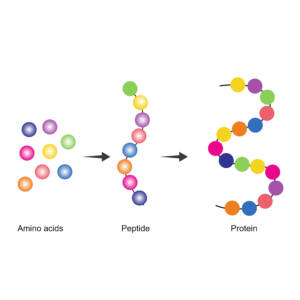
Protein is made up of smaller units called amino acids. These are the building blocks the body uses to create and maintain tissues, including muscles, skin, organs, enzymes and hormones.

The body is in a constant state of renewal. Proteins are continuously being broken down and rebuilt, and this process relies on a steady supply of amino acids from the food you eat.

There are 20 amino acids in total:

  • 9 essential amino acids, which are obtained through food
  • 11 non-essential amino acids, which the body can produce itself

Once consumed, proteins are broken down into amino acids during digestion. These amino acids are then used by the body to build the specific proteins it needs at any given time.

A varied plant-based diet provides all essential amino acids across the course of the day. The body maintains a circulating pool of amino acids, allowing it to draw on what it needs as required.

Key perspective:

Protein is not about a single meal or ingredient — it is about consistently supplying the body with a broad range of amino acids through diverse foods.

How Much Protein Do You Need?

Protein requirements vary depending on body size, activity level and overall goals.

General Daily Guidelines

Baseline requirement:

  • Around 0.8 grams per kilogram of body weight per day
  • More Active or Physically Demanding Lifestyles

Moderately active:
~1.0 – 1.2 g/kg

Highly active / strength training:
~1.2 – 1.6 g/kg

Practical Examples

Body Weight

Baseline (0.8g/kg)

Active (1.2g/kg)

60 kg

48 g

72 g

70 kg

56 g

84 g

80 kg

64 g

96 g


These ranges apply broadly across both men and women, with total intake scaling naturally with body size and activity level.

How This Looks in Real Life

A typical day of plant-based eating can comfortably provide these amounts:

  • Bowl of oats with seeds and plant milk → ~12–18g
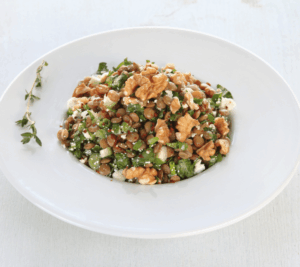
  • Lentil-based lunch → ~18–25g
  • Snack with nuts or hummus → ~6–10g
  • Tofu or tempeh dinner → ~20–30g

This creates a daily intake in the range of 60–90g+, depending on portion sizes and food choices.

When meals are built around whole foods and eaten in satisfying amounts, protein intake aligns naturally with the body’s needs.

Plant-Based Protein Sources

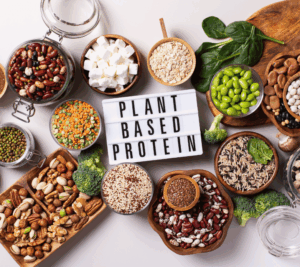
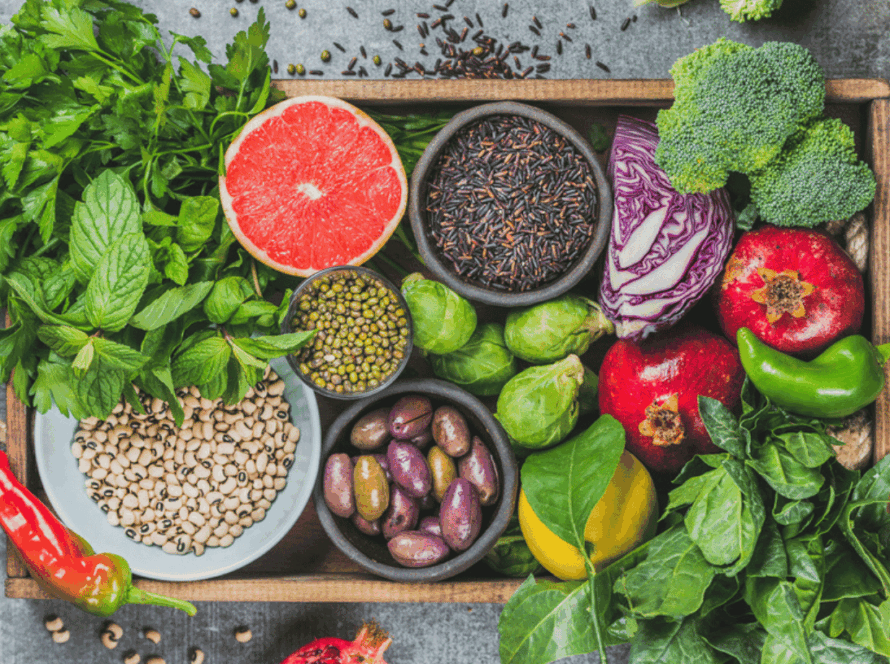
Protein is present across a wide variety of plant foods, creating a naturally balanced intake when meals are varied and complete.

Legumes – Everyday Foundations

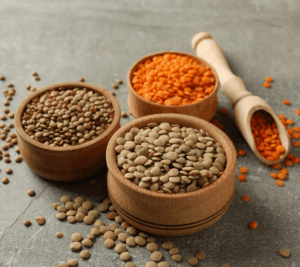
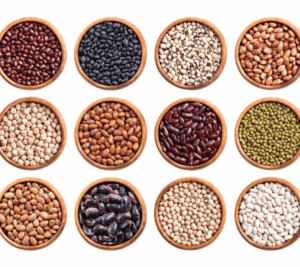
  • Lentils (18g per cooked cup)
  • Chickpeas (14–15g per cooked cup)
  • Black beans, kidney beans (13–15g per cooked cup)

Legumes form the foundation of many plant-based meals, providing protein alongside fibre, iron and slow-release carbohydrates.

Whole Grains – Consistent Contributors

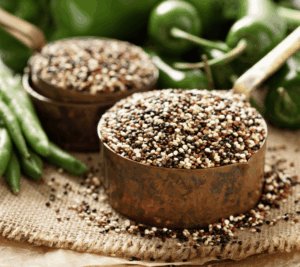
  • Quinoa (8g per cooked cup)
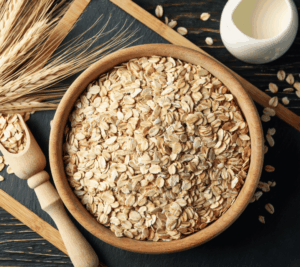
  • Oats (5–6g per serving)
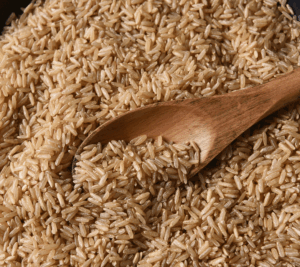
  • Brown rice (5g per cup)

Grains contribute meaningfully to daily intake, especially when combined with legumes and vegetables.

Nuts and Seeds – Concentrated and Versatile

  • Hemp seeds (10g per 3 tbsp)
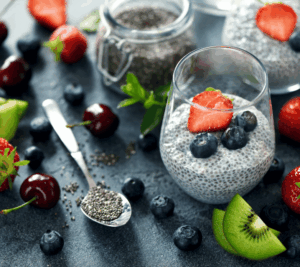
  • Chia seeds (5g per 2 tbsp)
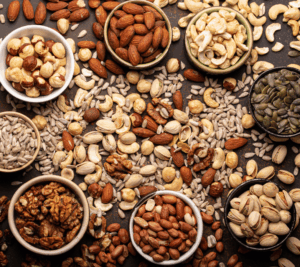
  • Almonds (6g per handful)
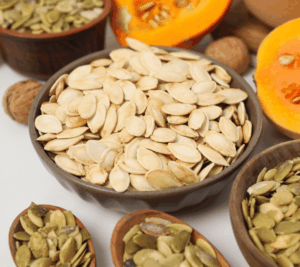
  • Pumpkin seeds (7–9g per handful)

These are easy additions that increase both protein and overall nutrient density.

Vegetables – Supporting the Whole

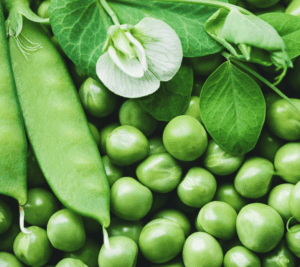
  • Green peas (8g per cup)
  • Spinach (5g per cooked cup)
  • Broccoli (4g per cup)
  • Potatoes (4g per medium potato)

While not typically considered “protein foods,” vegetables contribute meaningfully across the day.

Variety and Balance Across the Day

Different plant foods offer different amino acid profiles. When a variety of foods are eaten across the day, these profiles naturally complement one another.

Meals built from combinations such as:

  • grains + legumes
  • legumes + seeds
  • grains + vegetables

create a complete and balanced intake over time.

The body maintains an amino acid pool, allowing flexibility in how these foods are combined across meals.

Balance emerges through variety, creating a steady and complete supply of nutrients.

What a Day of Plant-Based Protein Can Look Like

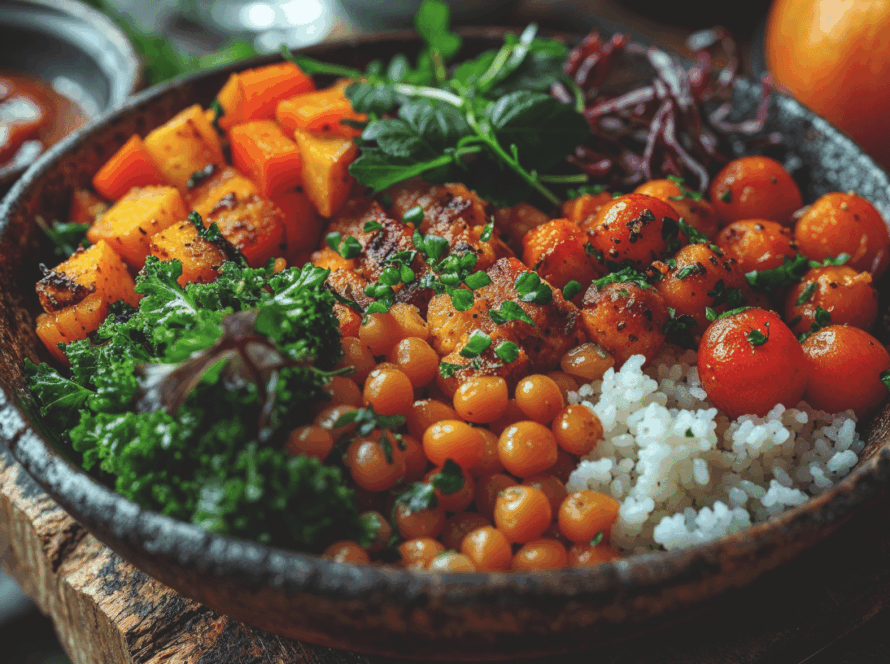
A simple, balanced day might look like:

  • Breakfast: Oats with chia seeds, almond butter and plant milk (~15g)
  • Lunch: Lentil and quinoa bowl with vegetables (~20–25g)
  • Snack: Hummus with vegetables and seeds (~8g)
  • Dinner: Tofu stir-fry with brown rice and greens (~25–30g)
  • Daily total: ~65–80g protein

This shows how protein builds naturally through familiar meals without needing complex planning.

The Wider Benefits of Plant-Based Protein

  • Plant-based protein sources bring additional nutritional value that supports overall wellbeing.
  • Naturally high in fibre, supporting digestion and gut health
  • Rich in vitamins, minerals and antioxidants
  • Supportive of heart health and metabolic function
  • Encourage greater diversity in food choices and flavours

This creates a way of eating that feels both nourishing and expansive.

Simple Ways to Increase Protein Intake

  • Include a protein-rich food in each meal
  • Add lentils or beans to soups, stews and salads
  • Use tofu or tempeh as a central element in meals
  • Add seeds or nuts to breakfasts and snacks
  • Build meals around whole, minimally processed foods
  • Small, consistent additions create meaningful results over time.

Bringing It Into Your Everyday Life

Developing a plant-based approach is a process of integration. With each meal, you begin to understand what works for you and how your body responds.

A consistent, balanced way of eating supports energy, satisfaction and clarity. Over time, this becomes intuitive, with meals naturally aligning with your needs.

Continue Your Journey

This guide provides a clear and practical foundation for understanding plant-based protein.

Inside the course, you’ll find structured guidance, recipes and practical tools designed to help you apply this knowledge in your daily life.  From meal ideas to shopping support, everything is created to make the process feel simple, sustainable and fully integrated.